Sign Permit: How It Works for Business Signs and What It Costs in 2026
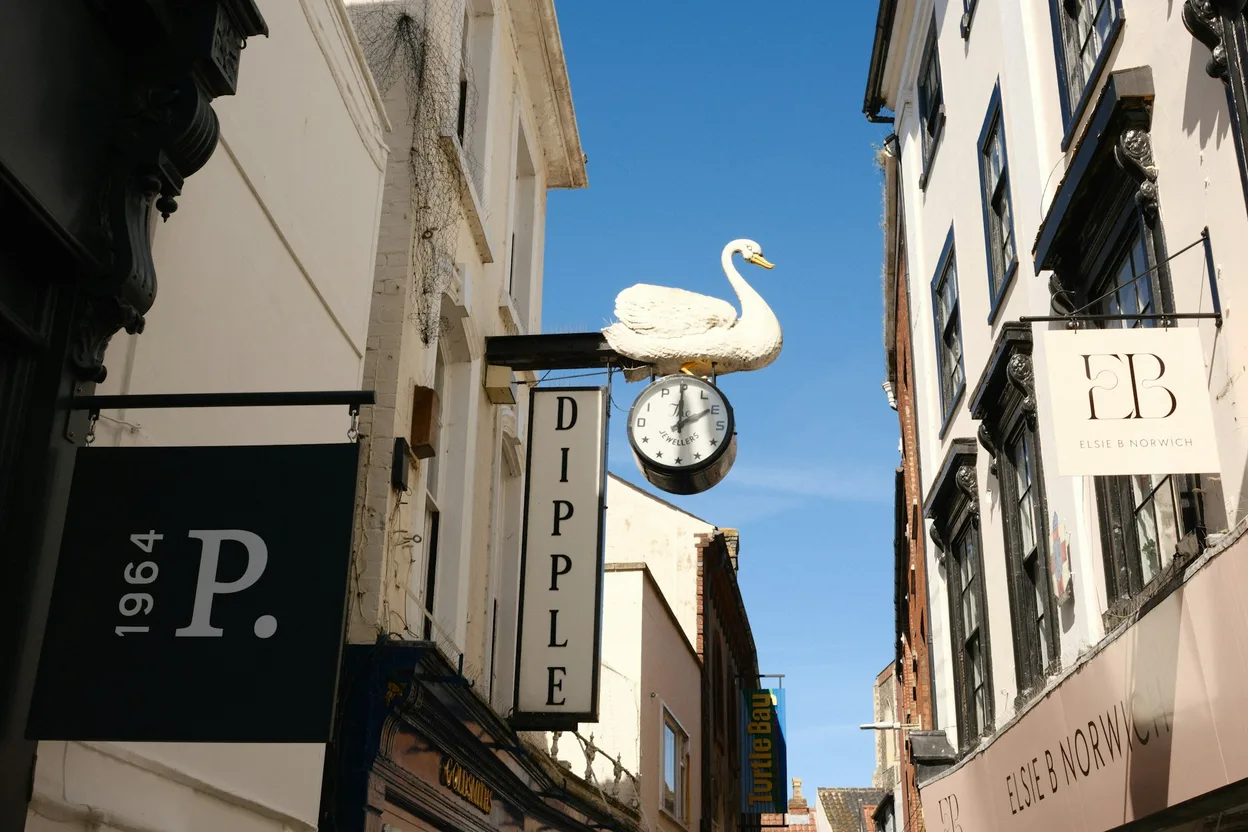
- A sign permit is the local city approval most businesses need before installing a fixed sign visible from the street. Costs vary, for example $3.00 per square foot in Saint Paul with an $85 minimum.
- This article explains who needs a permit, how fees work in 2026, calculation steps, exemptions, and rules for interior or window neon signs.
A sign permit is the local approval most U.S. businesses need before installing a sign visible from the street. There is no federal or state tax comparable to an annual sign tax: rules come from each city's zoning code and building code. At Helioneon, this question arises as soon as a retailer asks us for a custom LED storefront neon sign.
This guide is for retailers, restaurant owners, hoteliers and store fitters preparing a facade or window. With more than 500 neons delivered, we have seen many projects where the permit was not anticipated, even though the process can be checked in a few minutes. Fees below are local examples; your city sets its own rates, and some signs are exempt.
What is a sign permit?
It is the authorization issued by a city's planning or building department before a sign can be installed. It applies to fixed signs visible from a public way. Rules are set city by city, not at the federal or state level.
An illuminated sign usually also requires an electrical permit. The closest thing to a recurring fee is the annual illuminated permit some cities charge for signs that project beyond the building line, but this remains a local rule limited to specific cases.
- Nature: local authorization, required before installation in most cities
- Who issues it: the planning or building department of the city
- What is covered: outdoor signs, wall signs, projecting signs and sometimes window signs
- Illuminated signs: generally need an additional electrical permit
To know the exact rule for your location, check the city's zoning code or contact the building department. Requirements and fees vary widely from one city to another.
Who needs a sign permit?
The business owner (or the sign maker they hire) is responsible for obtaining the sign permit before the sign is installed. If the sign is placed without a permit, the city can require removal or double the fee.
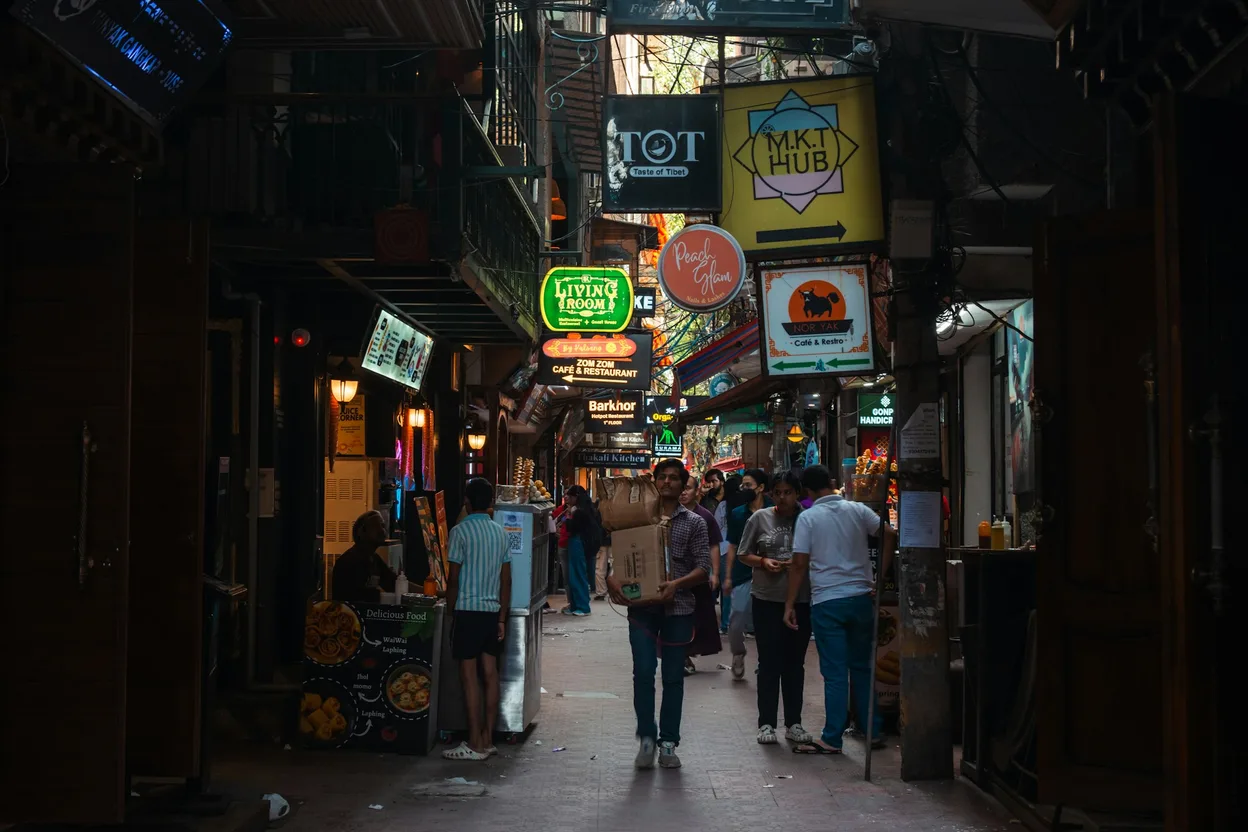
Three main types of signs are typically regulated. Business signs identify the activity on the premises, directional signs point to a business, and advertising signs display commercial messages.
- Business sign: inscription, shape or image placed on the building where the activity takes place
- Directional sign: panel that indicates the direction or proximity of a business
- Advertising sign: support intended to display advertising
- Conditions: the sign must be fixed and visible from a public way
For a business sign, all visible faces installed on the same building and linked to the same activity are usually considered together. A restaurant with a wall band, a projecting sign and lettering on the awning adds those surfaces for the permit calculation.
What are the fees for a sign permit in 2026?
Fees are application fees set by each city, often calculated per square foot. There is no national rate. In Saint Paul, Minnesota, the fee is $3.00 per square foot for a wall or projecting sign, with a minimum of $85. The rate is doubled if the sign is installed without a permit. In New York City, non-illuminated signs under 6 square feet are exempt. An illuminated sign that projects beyond the building line may require an annual permit that is renewed and billed each year. The exact amount of that annual New York permit is not published on the city's main page and must be confirmed locally.
| Location or case | Sign type | Fee or rule |
|---|---|---|
| Saint Paul, MN | Wall or projecting sign | $3.00 per square foot, minimum $85 (doubled if installed without permit) |
| New York City | Non-illuminated under 6 sq ft | Exempt from sign permit |
| New York City | Illuminated projecting beyond building line | May require annual permit (fee depends on the city) |
| Most U.S. cities | Outdoor business sign | Sign permit required before installation, fees set by the city |
These figures are local examples only. Your city may charge a flat fee, a per-square-foot fee, or a combination, and may add inspection or electrical permit costs. Always check the current schedule with the building department.
- Non-illuminated signs: often lower fees or exemptions for small sizes
- Illuminated signs: usually higher fees plus an electrical permit
- Projecting signs: may trigger additional review or annual renewal
- Window signs: rules vary widely; some cities limit the covered area, others do not
For most neighborhood businesses the cost remains modest, but larger signs or multiple locations add up quickly. Chains and multi-site retailers therefore budget the sign permit the same way they budget rent or insurance.
How to calculate the cost of a sign permit?
To estimate the fee, measure the area of all sign faces, identify the city's rate (often per square foot), and multiply. Add any minimum fee and the cost of an electrical permit if the sign is illuminated. The result is an application fee, not an annual tax in most cities.
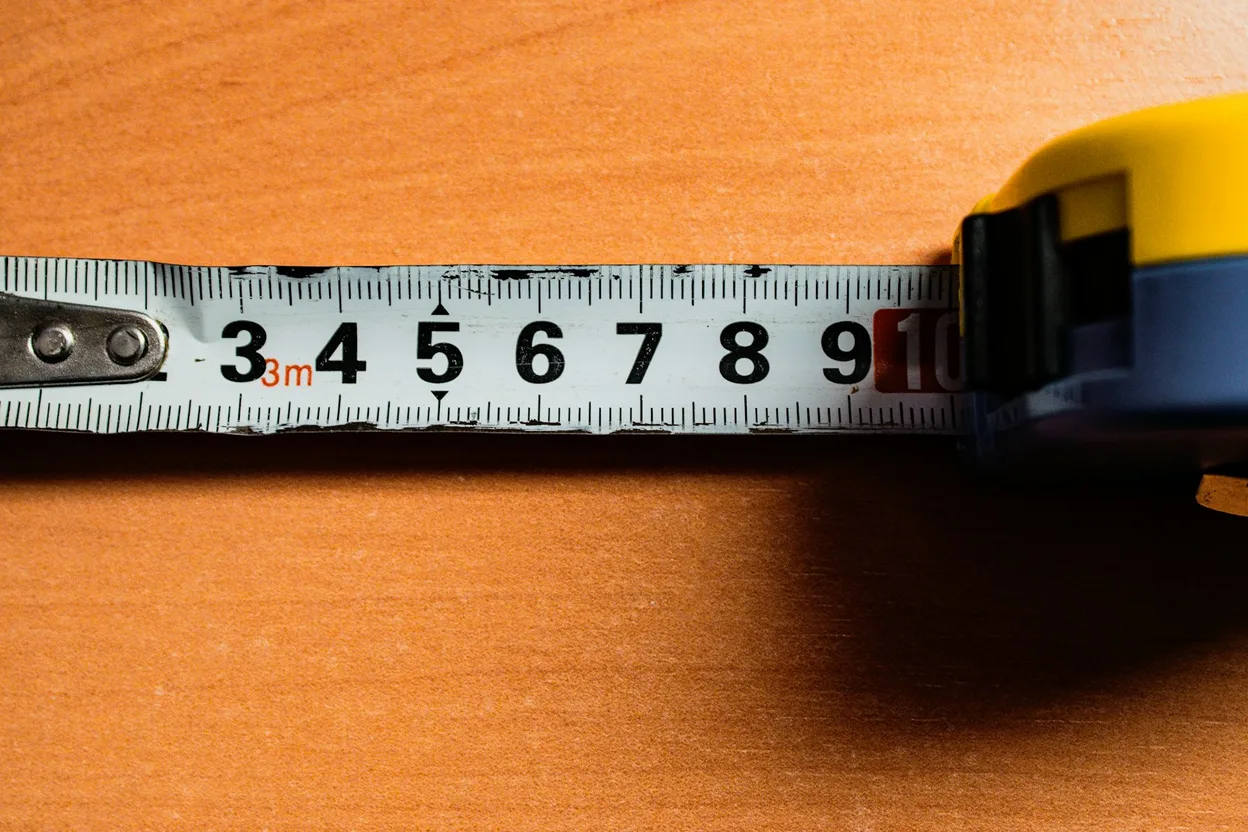
The area used is generally the area of the lettering, shapes or images, not necessarily the entire cabinet. For cut-out letters mounted directly on the facade, the city usually takes the rectangle that encloses the lettering. Measure yourself and keep the drawings.
- Example 1: small non-illuminated sign under the local exemption threshold (for example under 6 sq ft in New York), no permit required
- Example 2: 20 sq ft wall sign in Saint Paul, 20 × $3.00 = $60, but the minimum is $85, so $85
- Example 3: same sign installed without a permit, fee doubled to $170
- Example 4: illuminated projecting sign in a city that charges an annual fee, cost depends on the local schedule
These examples use only the published local rates given above. Your city may have different thresholds, minimums or multipliers. The applicable fee appears in the city's current fee schedule.
Which signs are exempt from a sign permit?
Exemptions are set by each city. In New York City, non-illuminated signs under 6 square feet are exempt. Many cities also exempt certain temporary signs, real-estate signs or small informational plaques. There is no national list of always-exempt signs.
Some supports are commonly left outside the permit requirement because they are not commercial advertising or are required by other rules.
- Small non-illuminated signs: often exempt below a local size threshold
- Required information: hours, payment methods or regulatory plaques, when under a small size
- Directional signs without logo: sometimes treated differently
- Interior signs: generally not regulated as outdoor signs, but window signs may be
The most important point for a retailer is visibility from the public way. An interior neon is not treated the same way in every city. Some cities regulate window signs (maximum portion of the window that can be covered), others do not.
Is an interior or window neon subject to a sign permit?
A neon installed inside a store, on a wall or above a counter, is generally not treated as an outdoor sign and does not require a sign permit. A neon fixed on the facade that displays the business name and is visible from the street is a business sign and needs a permit.
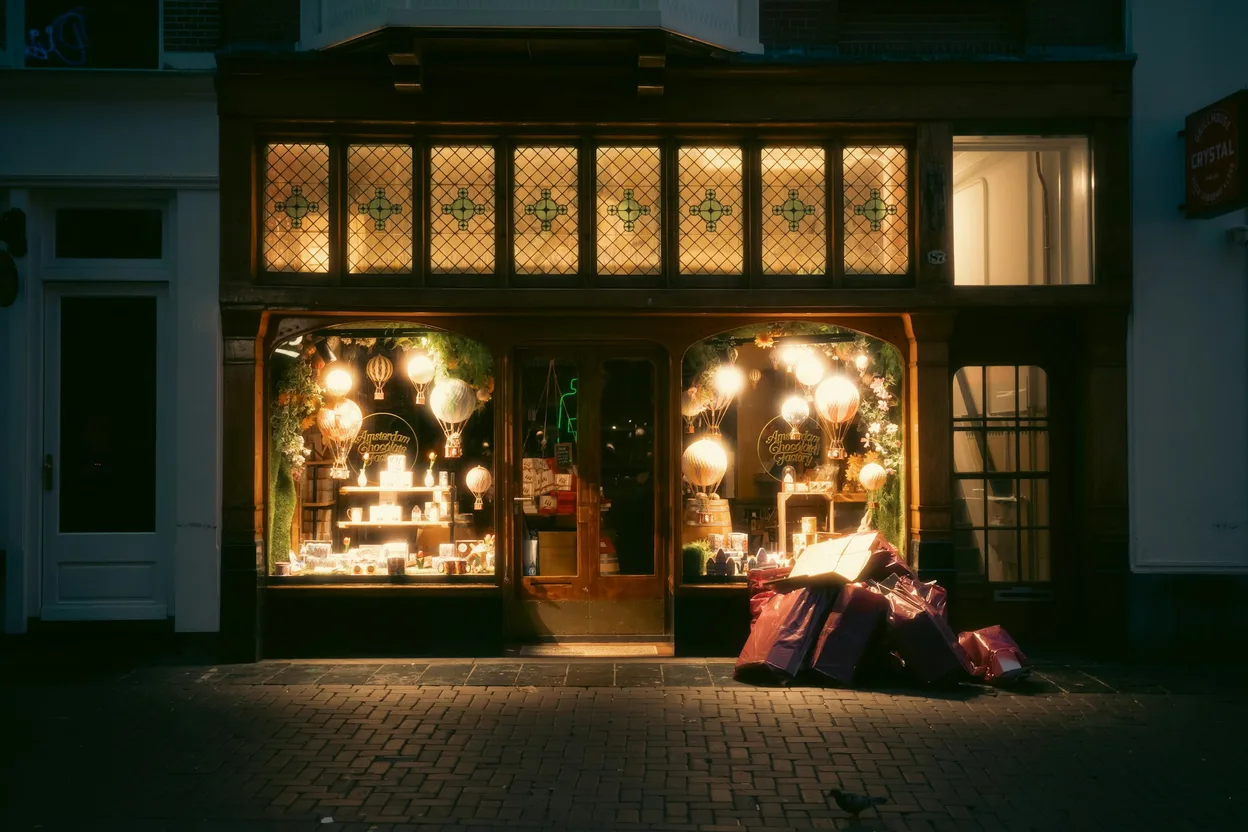
The case of a neon placed behind the window is the most discussed, because it is inside yet visible from the street. Practices vary from city to city: some limit the covered area of the window, others do not regulate window signs at all. Before installing, ask the building department how it treats window signs. Our article on neon signs for store windows details placement and visibility rules.
- Decorative interior neon: generally outside the sign permit
- Window neon: confirm with the city before installation (rules vary widely)
- Facade neon with the business name: business sign, permit required
- Outdoor neon: plan for weather resistance and the local sign permit
For outdoor use, a weather-resistant LED neon operates on 12V and consumes 8 to 15 W per meter. Also consider night-time lighting rules and light pollution definition, effects and rules, which apply independently of the sign permit. For ideas on layered outdoor lighting, see our patio lighting ideas: 3 light layers to combine.
Permit rules also influence facade design. A more compact, well-placed and well-lit sign often attracts as much attention as a large band, for a smaller area that may fall under an exemption or a lower fee tier. Before finalizing a project, compare two or three formats with the fitter or the maker and estimate the permit cost for each. A few square feet less can keep the sign under a local threshold.
How to apply for a sign permit?
Apply to the city's planning or building department before installation. The process usually requires drawings, dimensions, location and, for illuminated signs, electrical details. There is no national form. Timelines and documents vary by city.
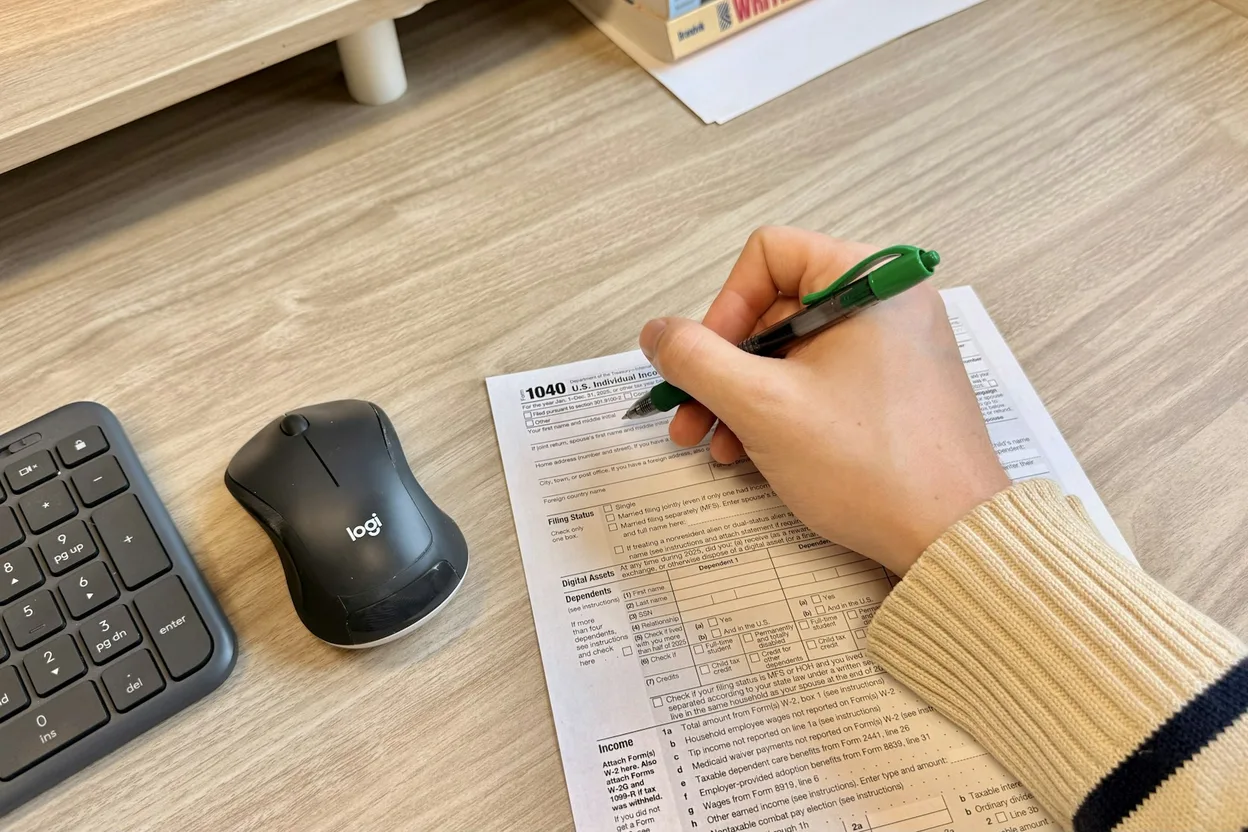
The application must list the size and location of the sign. Installing without a permit can lead to a stop-work order, removal, or a doubled fee. Keep the approved plans and photos in case of inspection.
- Step 1: check whether the city requires a sign permit and what the fee is
- Step 2: measure each face and prepare drawings
- Step 3: submit the application to the building department before installation
- Step 4: keep the approved plans and photos for inspection
Before submitting a facade project, also consider any design review that may apply in historic districts. Our guide to store signage: design, supports and rules covers the basics for both interior and exterior signage.
Frequently asked questions about sign permits
What is a sign permit?
It is the local authorization required by most U.S. cities before installing a fixed business sign visible from the street. There is no federal or state tax on outdoor signs. Rules and fees are set in the city's zoning and building codes. An illuminated sign usually also needs an electrical permit. Not every sign needs a permit: small non-illuminated signs are often exempt.
How is the sign permit cost calculated?
Most cities charge a fee based on the area of the sign, often a set amount per square foot, sometimes with a minimum. In Saint Paul, Minnesota, the rate is $3.00 per square foot for a wall or projecting sign, minimum $85, and the fee is doubled if the sign is installed without a permit. New York City exempts non-illuminated signs under 6 square feet. Other cities set their own schedules. Always confirm the current fee with the local building department.
Which signs do not need a sign permit?
Exemptions are local. In New York City, non-illuminated signs under 6 square feet are exempt. Many cities also exempt very small signs, certain temporary signs or purely informational plaques. Interior neons are generally not covered, but window signs may be regulated (maximum covered area) in some cities and not in others. Check the local code before installing.
Is a neon in my restaurant subject to a sign permit?
In general, no, if it is installed inside the premises. A decorative neon on the dining-room wall is not an outdoor sign. A neon on the facade that displays the restaurant name is a business sign and needs a sign permit. For a neon placed behind the window, treatment varies by city: some regulate the covered portion of the window, others do not. Confirm with your local building department before installation.
When do I need to apply for a sign permit?
Apply to the city's planning or building department before the sign is installed. There is no single national form or deadline. The application typically requires drawings, dimensions and, for illuminated signs, electrical information. Installing without a permit can result in a doubled fee or a removal order. Keep the approved documents for any later inspection.
A sign permit is straightforward once you know three things: the size of your sign, whether it is illuminated, and the rules of your specific city. This article gives general landmarks and does not replace the advice of your local building department or a qualified professional. For an interior neon or a carefully sized illuminated sign, contact us via our contact page for a free neon sign quote in 24h: the 3D mock-up is free within 24 hours. Official information for New York City is available on the NYC sign permit page.
Your custom neon, designed for free in 24 h
- Describe your ideaA text, a logo or a simple sketch. It takes one minute.
- Get your mockup and priceWithin 24 h by email, no commitment.
- Approve, we make itFree express delivery in 7 to 10 days, set up in 3 minutes.
- Mockup and price within 24 h, no commitment
- Free express delivery, received in 7 to 10 days
- 3-year warranty, set up in 3 minutes
Get your free mockup

Guillaume Schlupp
Founder of Helioneon
Over 10 years of entrepreneurship in premium interior design. 500+ LED neons delivered across 13 countries under Helioneon and Light Genius. Leads product strategy, design and professional accounts.