Advertisement Consent: How It Works for Business Signs and What It Costs in 2026
- Advertisement consent is the local planning approval many businesses need before installing a fixed sign visible from the street. Many shop signs have deemed consent; others need express consent, with an application fee set nationally.
- This article explains who needs consent, how fees work in 2026, calculation steps, exemptions, and rules for interior or window neon signs.
An advertisement consent is the local approval most UK businesses need before installing a sign visible from the street. In England, outdoor signs are governed by the Town and Country Planning (Control of Advertisements) Regulations 2007; Scotland, Wales and Northern Ireland have their own regulations. At Helioneon, this question arises as soon as a retailer asks us for a custom LED shopfront neon sign.
This guide is for retailers, restaurant owners, hoteliers and store fitters preparing a facade or window. With more than 500 neons delivered, we have seen many projects where consent was not anticipated, even though the process can be checked in a few minutes. Where express consent is required the application fee is set nationally; many signs have deemed consent, and an indoor neon not visible from the street is generally not concerned.
What is a sign permit?
It is the authorisation issued under the advertisement control system before a sign can be installed. It applies to outdoor signs and advertisements visible from a public way. In England the rules come from the Town and Country Planning (Control of Advertisements) Regulations 2007; Scotland, Wales and Northern Ireland have their own regulations.
Many shop signs have deemed consent if they meet set conditions; others need express consent (advertisement consent) from the local planning authority. Listed buildings and conservation areas have stricter rules.
- Nature: local authorisation under advertisement control, with deemed consent or express consent as applicable
- Who issues it: the local planning authority
- What is covered: outdoor signs, wall signs, projecting signs and sometimes window signs
- Illuminated signs: still subject to the advertisement rules; listed buildings and conservation areas have stricter rules
To know the exact rule for your location, check with your local planning authority. Requirements vary, and Scotland, Wales and Northern Ireland have their own regulations.
Who needs a sign permit?
The business owner (or the sign maker they hire) is responsible for obtaining the required consent before the sign is installed when express consent is needed. If the sign is placed without the required consent, the local planning authority can require removal.

Three main types of signs are typically regulated. Business signs identify the activity on the premises, directional signs point to a business, and advertising signs display commercial messages.
- Business sign: inscription, shape or image placed on the building where the activity takes place
- Directional sign: panel that indicates the direction or proximity of a business
- Advertising sign: support intended to display advertising
- Conditions: the sign must be fixed and visible from a public way
For a business sign, all visible faces installed on the same building and linked to the same activity are usually considered together. A restaurant with a wall band, a projecting sign and lettering on the awning adds those surfaces when the application is assessed.
What are the fees for a sign permit in 2026?
Where express consent is required, the application fee is set nationally. Many shop signs have deemed consent if they meet set conditions and then no express consent application is needed. Listed buildings and conservation areas have stricter rules. Scotland, Wales and Northern Ireland have their own regulations. An indoor neon not visible from the street is generally not concerned.
| Location or case | Sign type | Fee or rule |
|---|---|---|
| England | Shop sign meeting set conditions | Deemed consent may apply |
| England | Sign requiring express consent | Application fee set nationally |
| Listed building or conservation area | Outdoor sign | Stricter rules (set by your local planning authority) |
| Most UK locations | Outdoor business sign | Advertisement consent rules apply; application fee set nationally when express consent is required |
These rules are general landmarks only. Your local planning authority applies the regulations for your area, and Scotland, Wales and Northern Ireland have their own regulations. Always check with the local planning authority.
- Deemed consent: many shop signs that meet set conditions need no express consent application
- Express consent: application fee set nationally
- Listed buildings and conservation areas: stricter rules
- Window signs: rules vary; confirm with your local planning authority
For most neighbourhood businesses the cost remains modest, but larger signs or multiple locations add up quickly. Chains and multi-site retailers therefore budget the consent application the same way they budget rent or insurance.
How to calculate the cost of a sign permit?
To estimate whether you need express consent and what to submit, measure the area of all sign faces, check whether deemed consent conditions are met, and if express consent is required budget the application fee set nationally. The result is an application fee, not an annual tax in most cases.

The area used is generally the area of the lettering, shapes or images, not necessarily the entire cabinet. For cut-out letters mounted directly on the facade, the authority usually takes the rectangle that encloses the lettering. Measure yourself and keep the drawings.
- Example 1: shop sign that meets deemed consent conditions, no express consent application required
- Example 2: sign that needs express consent, application fee set nationally
- Example 3: same sign installed without required consent, local planning authority can require removal
- Example 4: sign on a listed building or in a conservation area, stricter rules apply
These examples use only the framework described above. Your local planning authority may give different guidance on drawings and process. The applicable fee is the national application fee when express consent is required.
Which signs are exempt from a sign permit?
When a sign has deemed consent because it meets set conditions, no express consent application is needed. An indoor neon not visible from the street is generally not concerned. Scotland, Wales and Northern Ireland have their own regulations. Listed buildings and conservation areas have stricter rules.
Some supports are commonly left outside the permit requirement because they are not commercial advertising or are required by other rules.
- Signs with deemed consent: no express consent application if set conditions are met
- Required information: hours, payment methods or regulatory plaques, when under a small size
- Directional signs without logo: sometimes treated differently
- Interior signs: generally not regulated as outdoor signs, but window signs may be
The most important point for a retailer is visibility from the public way. An interior neon is not treated the same way in every area. Some authorities regulate window signs (maximum portion of the window that can be covered), others do not.
Is an interior or window neon subject to a sign permit?
A neon installed inside a store, on a wall or above a counter, is generally not treated as an outdoor sign and does not require advertisement consent. A neon fixed on the facade that displays the business name and is visible from the street is a business sign and may need express consent unless deemed consent applies.

The case of a neon placed behind the window is the most discussed, because it is inside yet visible from the street. Practices vary from place to place: some limit the covered area of the window, others do not regulate window signs at all. Before installing, ask the local planning authority how it treats window signs. Our article on neon signs for store windows details placement and visibility rules.
- Decorative interior neon: generally outside advertisement control when not visible from the street
- Window neon: confirm with the local planning authority before installation (rules vary widely)
- Facade neon with the business name: business sign; deemed or express consent as applicable
- Outdoor neon: plan for weather resistance and the local advertisement rules
For outdoor use, a weather-resistant LED neon operates on 12V and consumes 8 to 15 W per metre. Also consider night-time lighting rules and light pollution definition, effects and rules, which apply independently of advertisement consent. For ideas on layered outdoor lighting, see our patio lighting ideas: 3 light layers to combine.
Consent rules also influence facade design. A more compact, well-placed and well-lit sign often attracts as much attention as a large band, for a smaller area that may fall under deemed consent or a simpler application. Before finalising a project, compare two or three formats with the fitter or the maker and estimate the consent position for each. A few square metres less can keep the sign under a local threshold.
How to apply for a sign permit?
Apply to the local planning authority before installation when express consent is required. The process usually requires drawings, dimensions, location and, for illuminated signs, relevant details. Timelines and documents vary. Scotland, Wales and Northern Ireland have their own regulations.
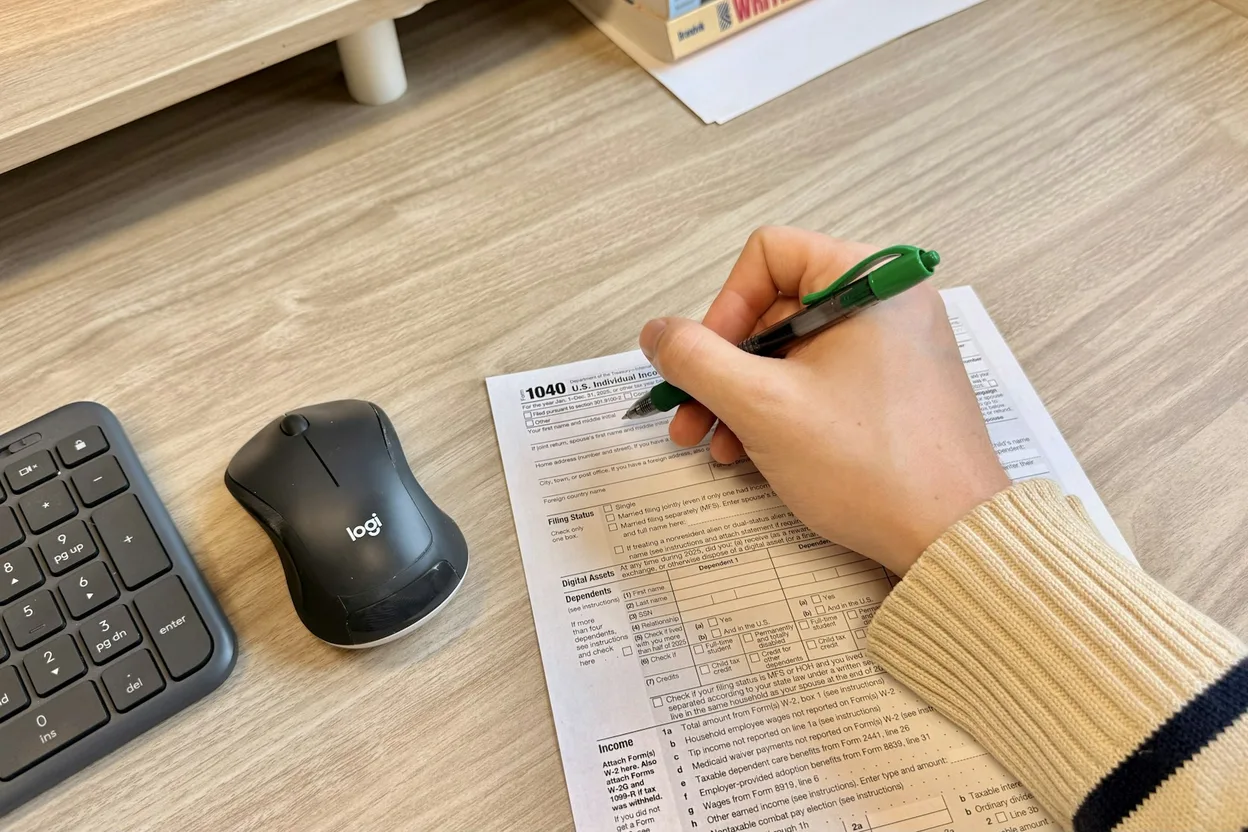
The application must list the size and location of the sign. Installing without required consent can lead to a removal requirement. Keep the approved plans and photos in case of inspection.
- Step 1: check whether deemed consent applies or express consent is required, and what the fee is
- Step 2: measure each face and prepare drawings
- Step 3: submit the application to the local planning authority before installation
- Step 4: keep the approved plans and photos for inspection
Before submitting a facade project, also consider any design review that may apply in conservation areas. Our guide to store signage: design, supports and rules covers the basics for both interior and exterior signage.
Frequently asked questions about sign permits
What is a sign permit?
It is the local authorisation required under advertisement control before installing a fixed business sign visible from the street. In England outdoor signs are governed by the Town and Country Planning (Control of Advertisements) Regulations 2007; Scotland, Wales and Northern Ireland have their own regulations. Many shop signs have deemed consent if they meet set conditions; others need express consent from the local planning authority. Listed buildings and conservation areas have stricter rules. An indoor neon not visible from the street is generally not concerned.
How is the sign permit cost calculated?
Where express consent is required, the application fee is set nationally. Many shop signs have deemed consent if they meet set conditions and then no express consent application is needed. Listed buildings and conservation areas have stricter rules. Always confirm the current position with the local planning authority.
Which signs do not need a sign permit?
Signs that have deemed consent because they meet set conditions need no express consent application. An indoor neon not visible from the street is generally not concerned. Interior neons are generally not covered, but window signs may be regulated (maximum covered area) in some places and not in others. Check with the local planning authority before installing.
Is a neon in my restaurant subject to a sign permit?
In general, no, if it is installed inside the premises and not visible from the street. A decorative neon on the dining-room wall is not an outdoor sign. A neon on the facade that displays the restaurant name is a business sign and may need express consent unless deemed consent applies. For a neon placed behind the window, treatment varies: some regulate the covered portion of the window, others do not. Confirm with your local planning authority before installation.
When do I need to apply for a sign permit?
Apply to the local planning authority before the sign is installed when express consent is required. The application typically requires drawings, dimensions and, for illuminated signs, relevant information. Installing without required consent can result in a removal order. Keep the approved documents for any later inspection.
An advertisement consent decision is straightforward once you know three things: the size of your sign, whether it is illuminated, and whether deemed or express consent applies in your area. This article gives general landmarks and does not replace the advice of your local planning authority or a qualified professional. For an interior neon or a carefully sized illuminated sign, contact us via our contact page for a free neon sign quote in 24h: the 3D mock-up is free within 24 hours. Official information is available in the government guide to outdoor advertisements and signs.
Your custom neon, designed for free in 24 h
- Describe your ideaA text, a logo or a simple sketch. It takes one minute.
- Get your mockup and priceWithin 24 h by email, no commitment.
- Approve, we make itFree express delivery in 7 to 10 days, set up in 3 minutes.
- Mockup and price within 24 h, no commitment
- Free express delivery, received in 7 to 10 days
- 3-year warranty, set up in 3 minutes
Get your free mockup

Guillaume Schlupp
Founder of Helioneon
Over 10 years of entrepreneurship in premium interior design. 500+ LED neons delivered across 13 countries under Helioneon and Light Genius. Leads product strategy, design and professional accounts.