Group Purchasing Organisation: Definition, Functioning, and Role for Networks and Their Suppliers
- A group purchasing organisation centralises purchases for members to negotiate superior prices, lead times, and warranties, playing a key role for networks and their suppliers in sectors like hospitality.
- This guide covers the definition, types, operation, benefits, listing process, and hospitality uses of a group purchasing organisation.
A group purchasing organisation is a structure that groups the purchases of several companies, stores, or organisations to negotiate better conditions with suppliers: prices, lead times, warranties, and services. It is very present in large retail, hospitality, franchise networks, and the public sector. At Helioneon, we work with networks that equip multiple sites, for example with custom neon signs, and this guide explains how this organisation works, from the members' side as well as the suppliers' side.
For a purchasing manager, the organisation is a performance lever; for a supplier, it is often the entry point to dozens or hundreds of points of sale. Understanding its rules avoids many misunderstandings on both sides. With more than 500 neons delivered, including several series for networks, we have learned what buyers expect from a listed supplier. Here is the essentials.
What is a group purchasing organisation?
A group purchasing organisation is an organisation that centralises the needs of its members to buy in volume or negotiate common conditions with suppliers. Its members, called members or affiliates, thus benefit from a negotiating power they would not have alone.
The principle is simple: by grouping the orders of 50 or 500 points of sale, the structure obtains prices and services that an isolated establishment could not obtain. It often takes the form of a company, an economic interest group (GIE), or a cooperative. In Australia, for example, according to applicable regulations, it may be defined as a buyer that permanently carries out centralised purchasing activities for the benefit of other buyers.
- Pool: group the needs of many members
- Negotiate: obtain prices, discounts, lead times, and warranties
- Secure: select reliable and compliant suppliers
- Simplify: offer members an already negotiated catalogue
Its role is therefore not limited to price, because it also provides a selection of suppliers, a guarantee of compliance, and often services such as logistics or quality monitoring. For members, it is a gain in time as much as in money.
For a network of 50 hotels or restaurants, the interest is measured quickly: when each establishment buys alone, it negotiates on small volumes, whereas the organisation speaks on behalf of all. But the advantage is not limited to discounts, because the organisation also checks insurance, warranties, and the capacity of suppliers. Members therefore order faster, with less risk, and they focus on their core business.
What are the different types of group purchasing organisations?
We mainly distinguish the referencing organisation, which negotiates conditions without buying itself, the purchasing structure in the strict sense, which buys then resells to its members, and the purchasing group, more informal, which brings companies together around common needs. The public sector also has its own organisations.

The referencing organisation is the most widespread form in organised retail: it selects the suppliers, negotiates a framework contract, and publishes a catalogue, then each member places the order directly. The purchasing structure in the strict sense buys the merchandise, sometimes stores it, and rebills it, which gives it a wholesaler role. The table below summarises these differences.
| Type of structure | Role | Example of sector |
|---|---|---|
| Referencing organisation | Selects and negotiates, without buying | Franchises, hospitality, foodservice |
| Purchasing in the strict sense | Buys then resells to members | Large retail |
| Purchasing group | Pools occasional needs | SMEs, independents |
| Public purchasing | Buys for administrations | Local authorities, hospitals |
| Merchants' cooperative | Purchases and services for its members | Organised independent retail |
- Large retail: purchasing alliances between banners
- Hospitality and foodservice: organisations for hotels, restaurants, and chains
- Franchise: the franchisor's organisation for its network
- Public sector: in Australia, organisations for administrations, according to applicable regulations
How does a group purchasing organisation work?
The functioning follows four stages, because the structure must first know the needs: it inventories the needs of the members, launches a consultation with the suppliers, negotiates and signs agreements, then makes the catalogue available and monitors execution. This cycle generally repeats each year or at each contract renewal.
The consultation phase is decisive for suppliers. The organisation compares the offers on price, but also on quality, lead times, the capacity to deliver the entire network, after-sales service, and, increasingly, environmental commitments. Once selected, the supplier is "listed": its products appear in the catalogue, and members can order under the negotiated conditions.
- Inventory: volumes, needs, and calendar of the members
- Consultation: call for tenders or competitive bidding among suppliers
- Negotiation: prices, discounts, lead times, warranties, services
- Monitoring: orders, quality, disputes, renewal
The organisation is remunerated in several ways: membership fees from members, commission on purchases, or margin when it buys then resells. For a supplier, it is useful to understand this model, because it influences the conditions requested, for example an end-of-year discount or participation in network operations.
What are the advantages and limits of a group purchasing organisation?
The main advantages of a group purchasing organisation are lower prices, time savings, securing of suppliers, and harmonisation of a network. Its limits relate to the loss of autonomy of members, the cost of membership, and a catalogue sometimes less adapted to local needs.
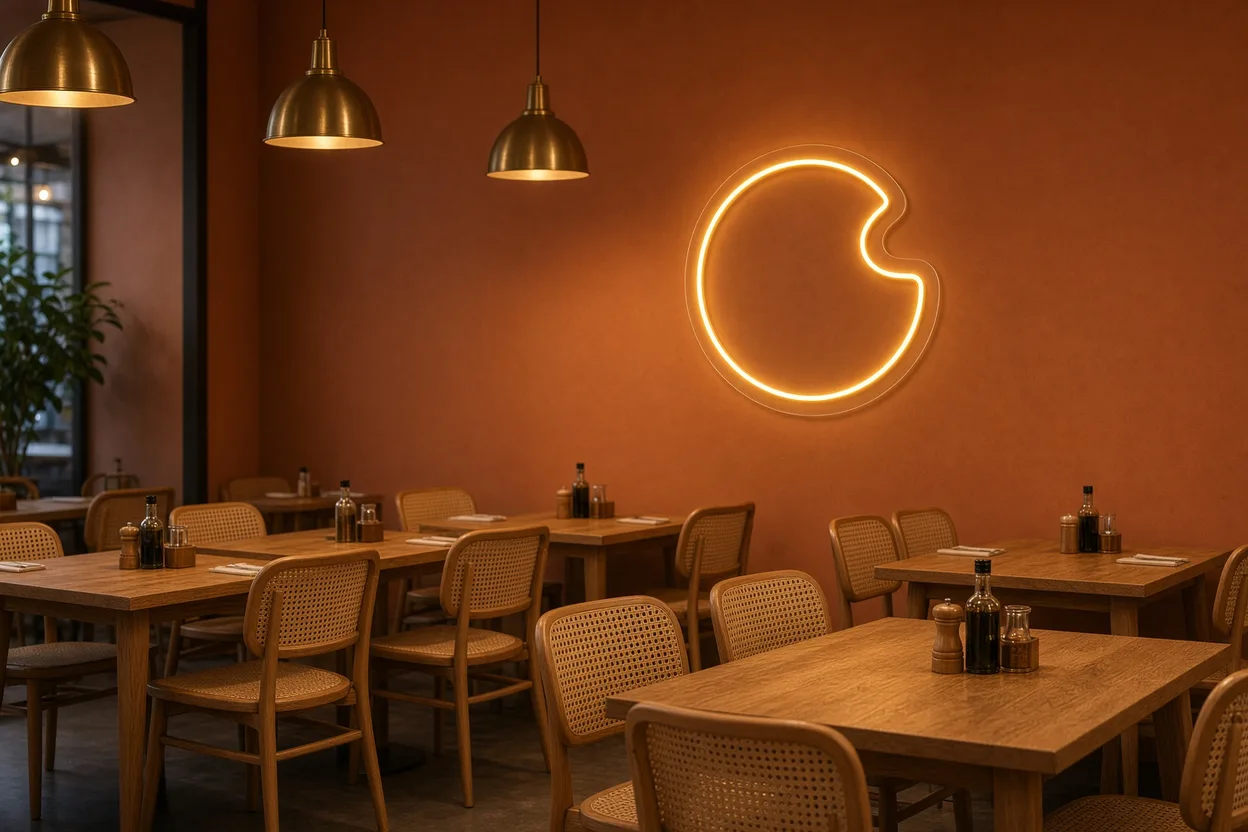
For a franchise network or a hotel chain, harmonisation is a major advantage: all establishments use the same equipment, the same signage, and the same visual identity. But an independent member may find the catalogue too rigid when it wants to differentiate. The most effective organisations therefore find a balance between a common base and a margin of local freedom.
- Price: conditions negotiated on significant volumes
- Time: less research and negotiation for each member
- Quality: selected and monitored suppliers
- Limits: less choice, membership fee, listing delays
On the supplier side, listing brings visibility and volumes, but it also requires efforts: pricing conditions, production capacity, responsiveness, and documentary compliance. It is a long-term partnership rather than a simple sale.
How is a supplier listed by a group purchasing organisation?
To be listed, a supplier must present a complete file, a competitive offer, a capacity to deliver the entire network, and guarantees of quality and compliance. The organisation also evaluates its financial solidity and, increasingly, its environmental and social policy.
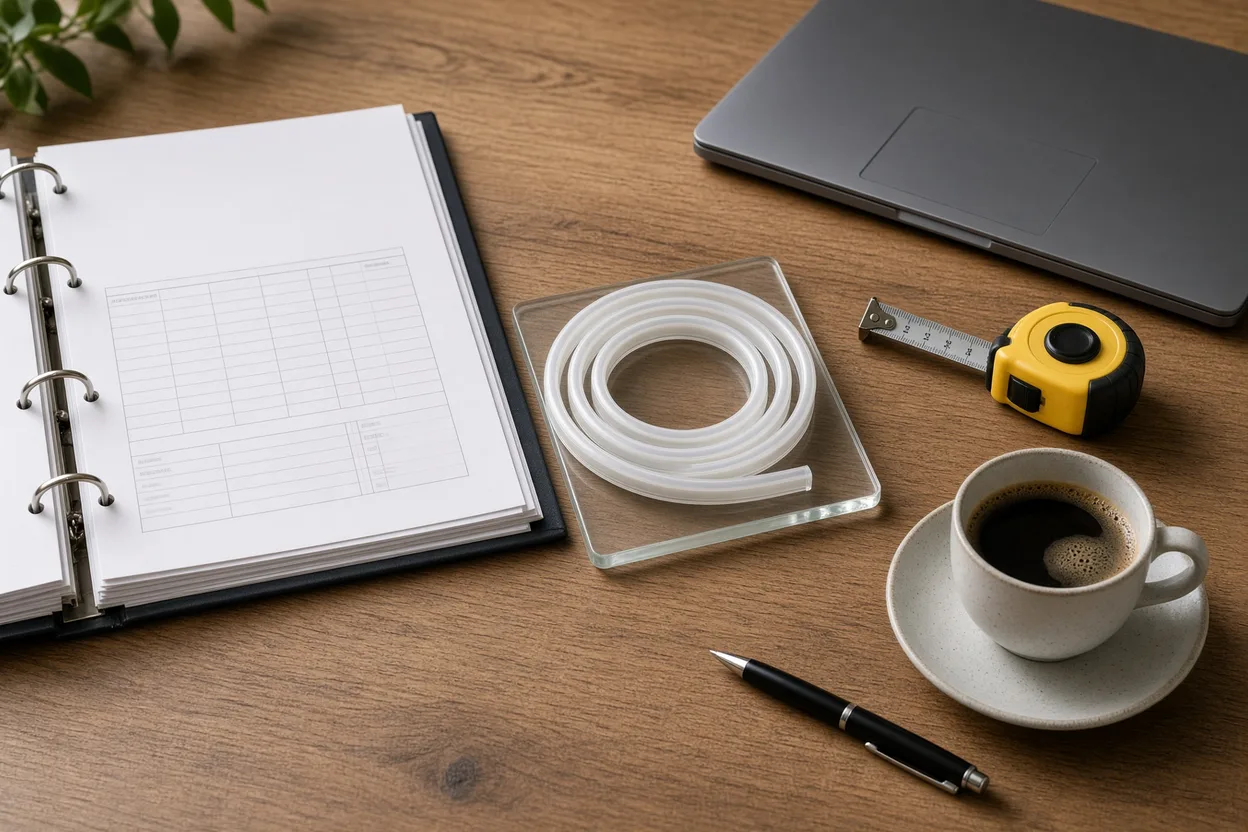
The listing file generally contains the company presentation, the catalogue and prices, the delivery and payment conditions, the certificates of compliance, the insurance certificates, and the product technical sheets. For an electrical product such as an LED neon, buyers particularly look at low voltage, the absence of heating, and the warranty, points we detail in our article on glass neon vs LED neon.
- File: presentation, company registration extract from the commercial register, insurance, customer references
- Offer: catalogue, prices, volume discounts, payment conditions
- Capacity: lead times, volumes, geographic coverage of the network
- Compliance: technical sheets, warranties, applicable standards
- Commitments: environmental policy, product lifespan
Custom products pose a particular question: how to list them when each order is different? The solution often involves a pricing grid by size and by type, like the one we present in our article on the custom neon sign cost, and by a standardised validation process, for example a 3D mockup within 24 hours before each production.
What purchases go through a group purchasing organisation in hospitality and foodservice?
In hospitality and foodservice, an organisation covers food and beverages, but also kitchen equipment, linen, cleaning products, furniture, decoration, and signage. For a chain or a franchise network, these equipment purchases guarantee a common identity for all establishments.
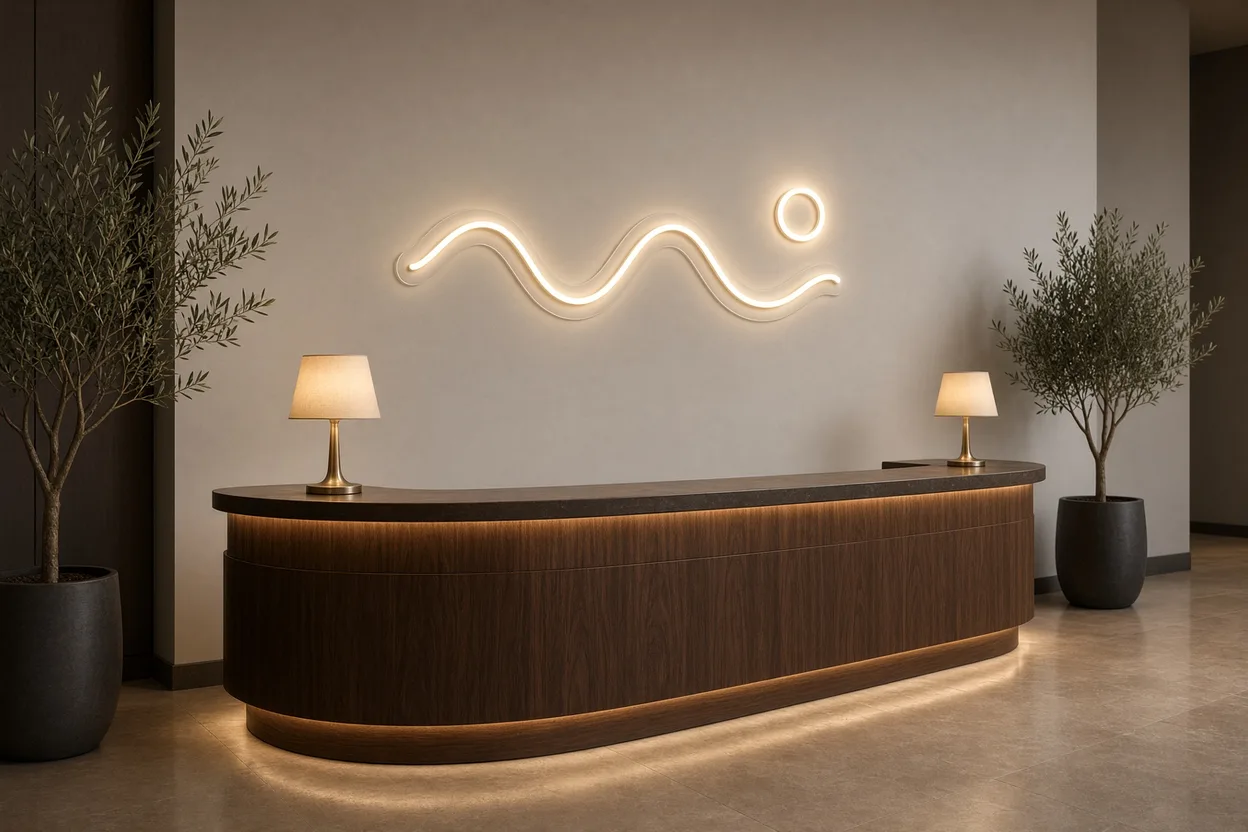
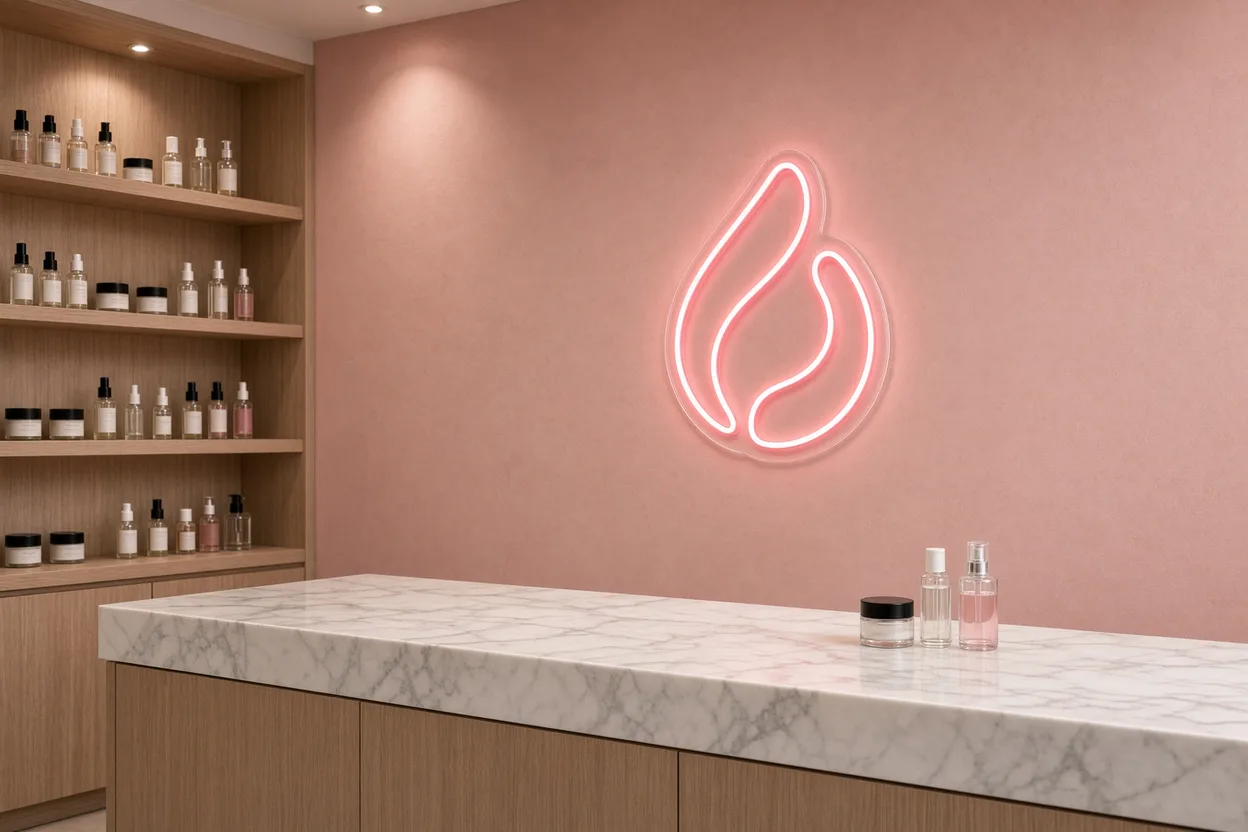
Decoration and luminous identity take a growing place in these catalogues. A restaurant or hotel concept is recognised by a few elements repeated from one site to another: a luminous logo at the entrance, a signature phrase above the counter, homogeneous signage. These elements benefit from being listed once and for all, with standard sizes and colours, rather than ordered case by case.
- Consumables: food, beverages, cleaning, packaging
- Equipment: kitchen, refrigeration, dining room furniture
- Textiles: bed linen, tablecloths, uniforms
- Identity: signage, signs, luminous decoration
For these identity purchases, durability matters as much as price, because an element replaced every year costs more than equipment designed to last. An LED neon, for example, operates at 12V and lasts 100,000 hours, or more than 11 years in continuous operation. Our guide on store signage design, supports, and rules details how to organise this identity in a point of sale.
For a luminous identity, two or three formats are generally standardised: a logo of 60 cm to 1 m wide for a counter or a reception, and a version of more than 2 m for a facade or a large wall. When these formats are listed with their exact colours, each site orders without going through a complete validation again, so lead times shorten. And since each piece is warranted for 3 years, the buyer knows what he commits to over time.
How to work well with a group purchasing organisation?
To work well with these structures, a supplier must understand their objectives, propose a clear and standardised offer, scrupulously respect its commitments, and support the members on the ground. An organisation rarely renews a supplier that has disappointed the network, even at a competitive price.
The relationship is built over time. The best suppliers anticipate needs, inform the organisation of new products, react quickly to disputes, and provide simple supports for the members, such as a clear catalogue or a fast ordering procedure. They then become true partners rather than simple lines in a catalogue.
- Clarity: a standardised offer, readable prices
- Reliability: lead times met, constant quality
- Responsiveness: quick responses to members and to disputes
- Support: advice, visuals, deployment assistance
For customised products, this reliability passes through a controlled process: visual validation before production, announced lead times, clear warranty. At Helioneon, we offer a free 3D mockup within 24 hours, a 3-year warranty, and delivery in 7 to 10 days in Australia, elements that buyers can integrate directly into a listing.
Frequently asked questions about the group purchasing organisation
What is the role of a group purchasing organisation?
Its role is to group the needs of its members to negotiate better conditions with suppliers: prices, discounts, lead times, warranties, and services. It selects the suppliers, negotiates agreements, publishes a catalogue, and monitors the quality of deliveries. Its members thus save time and money, while benefiting from already verified suppliers. In a network, it also contributes to harmonising the equipment and the identity of all points of sale.
What is the difference between a purchasing organisation and a referencing organisation?
A purchasing organisation in the strict sense buys the products from the suppliers, then resells or rebills them to its members, like a wholesaler. A referencing organisation buys nothing: it selects the suppliers, negotiates conditions, and publishes a catalogue, then each member orders directly from the supplier. The referencing organisation is the most common form in franchise networks, hospitality, and organised retail.
What are the main group purchasing organisations in Australia?
The best-known group purchasing organisations in Australia are those of large retail, often organised in alliances between banners to negotiate with manufacturers. There are also organisations specialised in hospitality and foodservice, organisations of franchise networks, and organisations for independents. In the public sector, according to applicable regulations, structures of this type serve administrations, local authorities, and hospitals.
How to be listed by a group purchasing organisation?
To be listed, prepare a complete file: company presentation, catalogue, prices and volume discounts, delivery and payment conditions, technical sheets, certificates of compliance, insurance, and customer references. Show your capacity to deliver the entire network within met lead times and your environmental policy. Then contact the buyer of the relevant product family and respond to the consultations or calls for tenders launched by the organisation.
Can a custom neon be listed by a group purchasing organisation?
Yes, a custom neon can be listed if the offer is standardised: a pricing grid by size and by type, reference colours, a validation process, and clear lead times. At Helioneon, each order goes through a free 3D mockup within 24 hours, with a 3-year warranty and delivery in 7 to 10 days in Australia. A network can thus equip all its establishments with the same luminous logo, ordered simply by each site.
A group purchasing organisation makes the purchases of a network more efficient, provided one works with reliable suppliers, capable of delivering all sites with the same quality. To list a common luminous identity for your network, discover our offer of neon signs for business, or contact us via our contact page to receive a free 3D mockup within 24 hours and a pricing grid. For a general definition, consult the CIPS guide to group purchasing organisations.
Your custom neon, designed for free in 24 h
- Describe your ideaA text, a logo or a simple sketch. It takes one minute.
- Get your mockup and priceWithin 24 h by email, no commitment.
- Approve, we make itFree express delivery in 7 to 10 days, set up in 3 minutes.
- Mockup and price within 24 h, no commitment
- Free express delivery, received in 7 to 10 days
- 3-year warranty, set up in 3 minutes
Get your free mockup

Guillaume Schlupp
Founder of Helioneon
Over 10 years of entrepreneurship in premium interior design. 500+ LED neons delivered across 13 countries under Helioneon and Light Genius. Leads product strategy, design and professional accounts.